
Social media marketing, at its core, is the practice of utilizing social media platforms to connect with an audience to build a brand, increase sales, and drive website traffic. This involves creating and sharing content on social media profiles to engage followers, listen to them, and respond to them. The landscape of social media marketing is in constant flux, demanding adaptability and a data-driven approach to remain effective. As we look towards 2026, several key strategies are poised to define success.
The digital environment where social media operates is not a static pond; it’s a dynamic river, constantly carving new paths and shifting its currents. As of 2026, the platforms themselves have evolved, incorporating new features, algorithms, and user behaviors that marketers must understand.
The Dominance of Short-Form Video
Short-form video content, pioneered by platforms like TikTok and further integrated into others such as Instagram Reels and YouTube Shorts, continues its reign. This format is highly digestible and engaging, catering to shorter attention spans and the desire for immediate gratification.
Key Elements of Effective Short-Form Video
- Authenticity: Users are increasingly drawn to unpolished, real content over highly produced advertisements.
- Trend Adaptation: Successfully incorporating relevant trends, sounds, and challenges can significantly boost visibility.
- Conciseness: Delivering a clear message or entertainment value within seconds is paramount.
- Call to Action: Despite the brevity, a subtle or direct call to action can guide viewers toward desired outcomes.
The Rise of Community-Centric Platforms and Features
Beyond broad reach, a discernible shift towards fostering deeper connections within online communities is evident. Platforms that facilitate niche groups, forums, and intimate sharing are gaining traction.
Building Brand Loyalty Through Niche Communities
- Dedicated Groups: Creating or participating in Facebook Groups, Discord servers, or LinkedIn Groups focused on specific interests related to a brand.
- User-Generated Content (UGC) Cultivation: Encouraging and highlighting content created by users, which serves as social proof and builds a sense of belonging.
- Direct Engagement: Proactively engaging in conversations, answering questions, and providing value within these communities.
The Continued Importance of Algorithmic Understanding
Social media algorithms are the unseen navigators of content discovery. Understanding how they prioritize and display information is crucial for achieving organic reach and paid campaign efficiency.
Decoding Algorithm Mechanics
- Engagement Metrics: Algorithms often prioritize content that generates high engagement rates (likes, comments, shares, saves).
- Content Relevance: Delivering content that aligns with user interests and past behaviors is a key factor.
- Recency and Frequency: While recency remains a factor, the overall consistency and quality of content posting can also influence visibility.
- Platform-Specific Nuances: Each platform has its own algorithmic intricacies; what works on one may not translate directly to another.
In the ever-evolving landscape of digital marketing, understanding the nuances of social media strategies is crucial for success. For those looking to deepen their knowledge, a related article that offers valuable insights is Unlimited Form Creation. This resource provides innovative approaches to engaging audiences and optimizing online interactions, making it a perfect complement to your social media marketing efforts.
Strategic Content Creation for 2026
Content is the currency of social media marketing. In 2026, the focus is on creating content that is not only informative and entertaining but also strategically aligned with platform capabilities and audience expectations.
Diversifying Content Formats
While short-form video dominates, a comprehensive strategy still requires a mix of formats to cater to different audience preferences and campaign objectives.
Beyond the Reel: Leveraging Other Formats
- Long-Form Video: For in-depth tutorials, interviews, or storytelling, YouTube and other platforms still offer vital opportunities for engagement and SEO.
- Infographics and Visual Data: Complex information can be made accessible and shareable through well-designed infographics.
- Podcasts and Audio Content: The growing popularity of podcasts presents an avenue for building authority and reaching audiences during commutes or other passive consumption periods.
- Interactive Content: Polls, quizzes, Q&A sessions, and live streams foster direct audience participation and provide valuable insights.
Prioritizing Value-Driven and Educational Content
In a crowded digital space, brands that offer genuine value through educational or problem-solving content stand out. Users are increasingly discerning, seeking resources that improve their lives or deepen their understanding.
Becoming a Trusted Resource
- How-To Guides: Demonstrating practical applications of products or services.
- Industry Insights: Sharing expert opinions and trend analysis relevant to the target audience.
- Problem/Solution Content: Identifying common challenges faced by the audience and offering actionable solutions.
- Behind-the-Scenes Transparency: Humanizing the brand by showing the process, culture, and people behind the products or services.
The Art of Storytelling in a Digital Age
Humans are wired for stories. Effectively weaving narratives around a brand, its mission, or its customers fosters emotional connections and enhances memorability.
Crafting Compelling Brand Narratives
- Customer Spotlights: Featuring authentic stories of how customers benefit from the brand.
- Brand Origin Stories: Explaining the “why” behind the brand’s inception and its evolution.
- Mission-Driven Narratives: Highlighting the brand’s commitment to social responsibility or a particular cause.
- Character Development: Creating relatable brand personas that resonate with the target audience.
Leveraging Influencer Marketing Effectively

Influencer marketing has matured from a nascent trend to a cornerstone of many social media strategies. In 2026, success lies in strategic partnerships and a focus on authenticity and measurable ROI.
Shifting Towards Micro and Nano-Influencers
While mega-influencers still command attention, the emphasis for many brands is moving towards micro (10,000-100,000 followers) and nano-influencers (under 10,000 followers). These individuals often have more engaged, niche audiences and are perceived as more authentic.
The Power of Niche Authority
- Higher Engagement Rates: Micro and nano-influencers typically boast higher engagement percentages due to their more intimate community.
- Cost-Effectiveness: Collaborations with smaller influencers are often more budget-friendly, allowing for broader campaign reach.
- Specialized Audiences: They cater to very specific demographics and interests, ensuring messaging lands with the most relevant consumers.
- Perceived Authenticity: Their recommendations often carry more weight due to their genuine connection with their followers.
The Importance of Due Diligence and Long-Term Partnerships
Simply identifying an influencer with a large following is insufficient. Thorough vetting and building sustained relationships are key to maximizing impact.
Building Sustainable Collaborations
- Audience Demographics Alignment: Verifying that the influencer’s audience matches the brand’s target consumer profile.
- Content Relevance and Quality: Assessing the influencer’s past content to ensure it aligns with brand values and aesthetic.
- Engagement Quality: Looking beyond follower counts to analyze the quality and authenticity of comments and interactions.
- Performance Tracking: Implementing clear metrics to measure the success of influencer campaigns.
- Focus on Value Exchange: Ensuring the partnership is mutually beneficial and sustainable over time.
Ethical Considerations and Disclosure
Transparency remains critical. Marketers and influencers must adhere to guidelines regarding disclosure of sponsored content to maintain audience trust.
Maintaining Credibility Through Disclosure
- Clear and Conspicuous Markings: Utilizing platform features or explicit statements to indicate sponsored content.
- Platform Guidelines Adherence: Understanding and following the specific disclosure requirements of each social media platform.
- Consumer Protection: Prioritizing audience trust by being upfront about commercial relationships.
Data-Driven Social Media Advertising Techniques
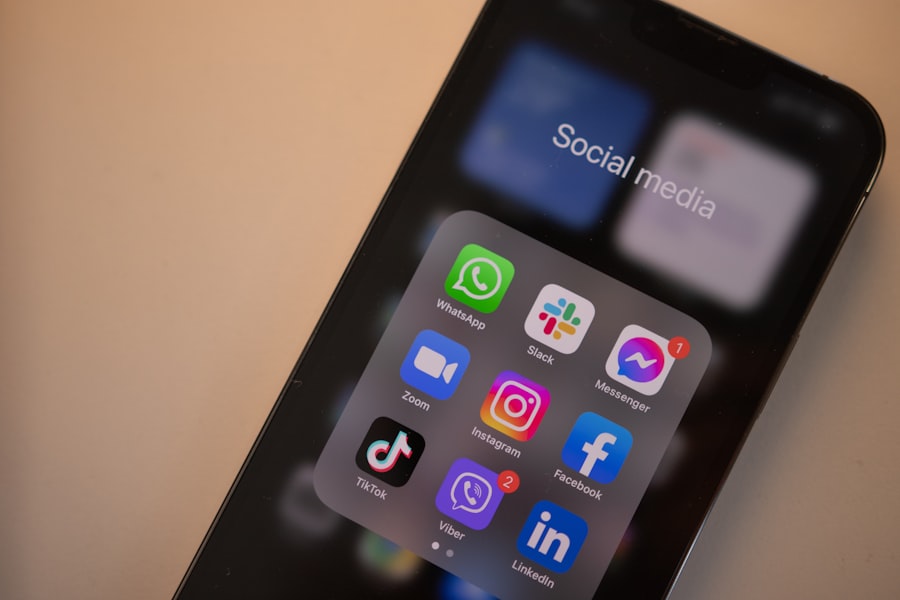
Paid social media advertising remains a potent tool for reaching specific audiences and achieving marketing objectives. In 2026, effectiveness hinges on sophisticated targeting, compelling ad creatives, and continuous optimization.
Advanced Audience Segmentation and Targeting
The ability to pinpoint specific consumer segments with laser-like precision is a hallmark of successful paid social. This goes beyond basic demographics to encompass interests, behaviors, and custom audiences.
Precision Targeting Strategies
- Lookalike Audiences: Leveraging existing customer data to find new audiences with similar characteristics.
- Behavioral Targeting: Reaching users based on their online actions, purchasing history, and engagement with similar content.
- Interest-Based Targeting: Identifying users who have expressed interest in specific topics, brands, or activities.
- Retargeting: Re-engaging users who have previously interacted with the brand’s website or social media profiles.
- Geographic and Demographic Refinements: Hyper-local targeting and precise demographic filtering for specific campaigns.
Optimizing Ad Creative for Maximum Impact
The creative elements of an advertisement are often the most crucial factor in capturing attention and driving action. In 2026, this means developing ads that are not only visually appealing but also contextually relevant and highly engaging.
Crafting Ads That Convert
- Mobile-First Design: Ensuring all ad creatives are optimized for viewing on mobile devices, which constitute the majority of social media consumption.
- Compelling Visuals and Videos: Utilizing high-quality imagery and short, attention-grabbing video content.
- Concise and Clear Copy: Delivering a powerful message quickly and efficiently.
- Strong Call to Actions (CTAs): Guiding users clearly on what action to take next (e.g., “Shop Now,” “Learn More,” “Sign Up”).
- A/B Testing: Continuously testing different ad variations (headlines, visuals, CTAs) to identify what performs best.
The Role of Artificial Intelligence (AI) in Ad Optimization
AI is increasingly being integrated into social media advertising platforms to automate and enhance campaign performance. This includes optimizing bidding, ad delivery, and audience targeting.
AI-Powered Performance Enhancements
- Automated Bidding Strategies: AI algorithms can adjust bids in real-time to maximize return on ad spend (ROAS).
- Dynamic Creative Optimization: AI can automatically assemble different ad components to create personalized ad experiences for individual users.
- Predictive Analytics: AI can forecast campaign performance and identify potential areas for improvement.
- Fraud Detection: AI helps identify and mitigate fraudulent ad impressions and clicks.
In the ever-evolving landscape of digital marketing, understanding the nuances of social media marketing is crucial for businesses looking to thrive. A related service that delves into the latest trends and effective strategies is Lead Generation. This resource complements the discussion on social media marketing by offering practical tips and real-world examples that can help marketers navigate the complexities of online engagement.
Measuring Social Media Marketing Success in 2026
| Strategy | Effectiveness (%) | Average Engagement Rate | Conversion Rate (%) | Recommended Platforms |
|---|---|---|---|---|
| Influencer Collaborations | 78 | 6.5% | 4.2 | Instagram, TikTok, YouTube |
| Short-Form Video Content | 85 | 8.1% | 5.0 | TikTok, Instagram Reels, YouTube Shorts |
| Personalized Ads | 72 | 5.3% | 3.8 | Facebook, Instagram, LinkedIn |
| Community Building | 69 | 7.0% | 3.5 | Facebook Groups, Discord, Reddit |
| Live Streaming | 74 | 6.8% | 4.0 | Twitch, YouTube, Instagram Live |
| Social Commerce Integration | 80 | 7.5% | 5.5 | Instagram Shops, Facebook Shops, TikTok Shopping |
The question “Is it working?” is fundamental to any marketing effort. In 2026, success is measured by a comprehensive understanding of key performance indicators (KPIs) and their correlation with overarching business objectives.
Defining Key Performance Indicators (KPIs)
A clear set of KPIs is essential for tracking progress and demonstrating the value of social media marketing efforts. These metrics should align with specific campaign goals.
Essential Metrics to Track
- Reach and Impressions: Understanding the breadth of content distribution.
- Engagement Rate: Measuring how actively an audience interacts with content (likes, comments, shares, saves).
- Click-Through Rate (CTR): Assessing the effectiveness of links and calls to action.
- Conversion Rate: Tracking the percentage of users who complete a desired action (e.g., purchase, signup) after clicking from social media.
- Return on Ad Spend (ROAS): For paid campaigns, measuring the revenue generated for every dollar spent on advertising.
- Brand Mentions and Sentiment Analysis: Monitoring how the brand is being discussed and the overall positive or negative sentiment.
- Website Traffic from Social Media: Understanding how much traffic social channels are driving to the brand’s website.
Utilizing Analytics Tools for Deeper Insights
Social media platforms offer built-in analytics, but a robust social media marketing strategy often involves leveraging third-party tools for more in-depth analysis and cross-platform reporting.
Tools for Comprehensive Analysis
- Platform Native Analytics: Facebook Insights, Instagram Insights, Twitter Analytics, LinkedIn Analytics, etc.
- Third-Party Analytics Suites: Tools like Sprout Social, Hootsuite, Buffer, or Brandwatch offer advanced reporting and competitor analysis.
- Website Analytics: Google Analytics or similar tools to track user behavior originating from social media.
- CRM Integration: Connecting social media data with customer relationship management systems for a holistic view of customer journeys.
The Iterative Process of Optimization
Social media marketing is not a set-it-and-forget-it endeavor. Continuous analysis and adaptation are crucial for sustained success.
The Cycle of Improvement
- Regularly Review KPIs: Schedule consistent check-ins to monitor performance against established goals.
- Identify Underperforming Content/Campaigns: Analyze data to pinpoint areas that are not meeting expectations.
- Adjust Strategies: Make informed decisions based on data insights to refine content, targeting, or ad spend.
- Experiment with New Approaches: Be willing to test new platforms, formats, or strategies based on emerging trends and data.
- Learn from Competitors: Monitor the social media activities of competitors to identify opportunities and best practices.
By understanding the evolving social media landscape, crafting strategically valuable content, leveraging influencer partnerships wisely, employing data-driven advertising techniques, and diligently measuring success, businesses can navigate the complexities of social media marketing and achieve meaningful results in 2026 and beyond. The key is not to chase every fleeting trend but to build a robust, adaptable, and data-informed strategy that resonates with the target audience.
FAQs
What is social media marketing?
Social media marketing is the use of social media platforms to promote products, services, or brands. It involves creating and sharing content, engaging with audiences, and running paid advertising campaigns to achieve marketing goals such as brand awareness, lead generation, and sales.
Which social media platforms are most effective for marketing in 2026?
In 2026, platforms like Instagram, TikTok, Facebook, LinkedIn, and emerging platforms with strong user engagement remain effective for social media marketing. The choice depends on the target audience and marketing objectives, with video content and interactive features gaining increased importance.
What are some proven social media marketing strategies that work in 2026?
Effective strategies include creating authentic and engaging content, leveraging influencer partnerships, utilizing data analytics for targeted campaigns, investing in short-form video content, and maintaining consistent interaction with followers to build community and trust.
How important is data analytics in social media marketing?
Data analytics is crucial in social media marketing as it helps marketers understand audience behavior, measure campaign performance, optimize content strategies, and make informed decisions to improve return on investment (ROI).
Can small businesses benefit from social media marketing?
Yes, small businesses can greatly benefit from social media marketing by reaching a wider audience at a lower cost compared to traditional advertising, building brand loyalty, and directly engaging with customers to drive sales and growth.